
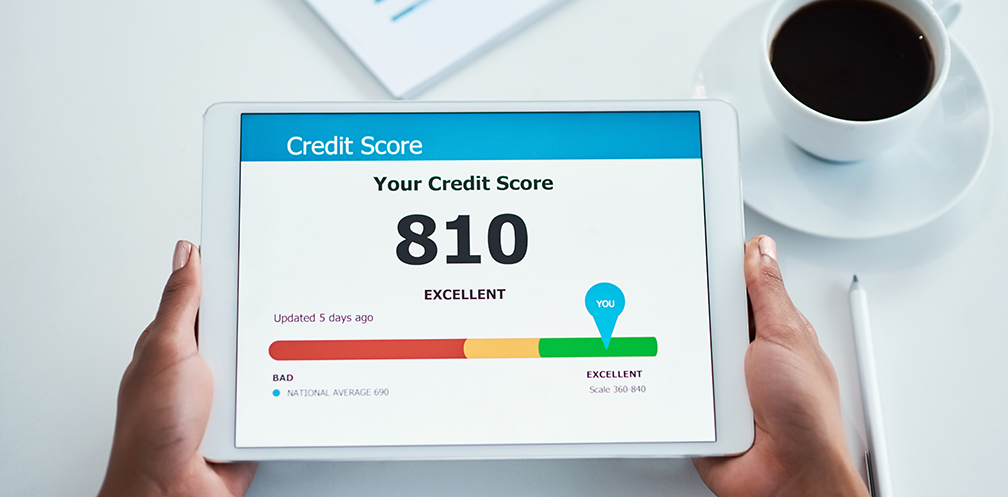
How to Improve Your Credit Score
In the world of finance, credit scores are extremely important in determining things like loan rates and approvals, credit card limits, insurance premiums, and rental approvals. This means that having a good credit score is extremely important and one of the most important questions about credit scores is: how do I improve my credit score?
What is a Credit Score?
To first answer how to improve your credit score, we need to explain what it even is. To keep it simple: a credit score is a number, usually between 300 and 850, that shows your credit risk and behavior and gives lenders and other institutions a general idea of how likely you are to pay a loan and do so on time.
There are a few key factors that determine what your credit score is, the most important being payment history. Payment history makes up 35% of your credit score, so paying your loans, your rent, your insurance, and your debts on time is critical. As a bonus, saying on top of your payments can bring you a lot of peace of mind, which is invaluable.
The total amount of money you’ve borrowed also affects your credit score, including how much of your credit limit you’re using (ideally you don’t want to get close to it). This also comes back to paying off your credit on time. Another factor is the length of your credit history. The longer your history, the better your score, especially if you’ve kept your accounts in good standing. Finally, having a mix of credit types, such as personal loans, mortgages, student loans, and a mix of accounts like credit cards and lines of credit, can affect your score. Everything in moderation, though. You don’t want to go overboard with too many loans and payments. Odds are, a healthy credit mix will come naturally as you go through life. We’re not saying to ignore this aspect of your credit score, just that it’s likely not something to actively stress about.
How Do I Improve My Credit Score?
Okay, so how do you improve your credit score? There are a few things you can do, and you can start doing them right now:
- Make your payments ON-TIME. This should take priority over everything else. If you aren’t making your payments on time, then the rest of what you do won’t have as big of an impact on your credit score. Set up autopay or, if you’re hesitant to do so, set reminders in your calendar.
- Stay clear of approaching the limit on your credit card. Yes, emergencies happen and sometimes, those emergencies are expensive. Those situations aside, you should avoid reaching your credit card limit. Reaching it during a one-time emergency is a lot less harmful to your score than consistently toeing the line.
- Keep your oldest account open. Not only does this affect your credit history, but it also keeps your total available credit higher, which is good for your score. Even if you don’t use your oldest card anymore, try using it for something small every month or so and then immediately pay it off.
- Minimize your new credit applications. The more you apply, the more checks on your score that lenders run which can lower your score.
- Analyze your monthly statements and your credit report and dispute any inaccuracies. It’s worth the effort because when your dispute is successful, it will raise your score to where it should be.
Why Should I Care?
You should care about your credit score because it directly affects your ability to receive new loans and, if you’re a business owner, grow your business. A good credit score opens many doors, and a bad one closes them. It’s the difference between an approved or denied loan, a high or low interest rate, high and low insurance premiums, and even your ability to get a job (certain fields do analyze credit scores but that will be made clear to you in the application process).
Your credit score is more than just a number, it’s a key to unlocking personal, professional, and financial growth; and that’s why John Marshall Bank wants you to understand how to improve it.